
Let's talk about investors purchasing tenant-occupied properties


Q: I’m looking forward to retiring soon and being on coast control. However, I’d like to have some supplemental income, maybe by purchasing a rental property or buying a foreclosed property on the cheap. Any advice?
A: You have to be very careful when purchasing a rental property, paying particular attention to one, what tenants are occupying the units. Two, what rent control laws the property is subject to?
Many aspiring investors and homeowners can be horrified to learn that they purchased a tenant-occupied property and they cannot change the status quo because, in a rent-controlled jurisdiction, they are hamstrung to raise rents or remove the tenant because there are just cause eviction protection protections in place.
For example, a father has a daughter about to go to college and wants to house her in a duplex he recently purchased. Come to find out, the duplex is occupied by long-term tenants, who are elderly, disabled, or catastrophically ill. Or perhaps, there are minor children in the residence when school is in session and cannot be displaced through an owner move-in or relative move-in eviction.
When would-be owners eye a property for sale, they normally do their due diligence by looking at the foundation, HVAC, etc, but what amazes us is that prospective buyers do not look at the status of occupants in the building they want to purchase.
We’ll also have to get a good understanding of the rental relationships that the new owner inherited by creating a paper trail.
Armed with a tenant estoppel certificate, would-be buyers can get a good picture of the tenancy. Yet not all tenants are cooperative, especially in a foreclosure proceeding and for that matter, a probate sale when the previous owner passed away and tenants are occupying the premises, as we discussed in an earlier webinar.
The aspiring new owner can ask the tenant to produce receipts or bank statements, but when the current residents say that they can’t produce them, the new buyer is in a pickle. In the law, anything that can’t be proved is truth. The existing tenants can say that they are paying a mere $400 a month when we know that to be false, but we can’t disprove it. The tenant can fudge the numbers.
This presents a challenge in rent-controlled jurisdictions because an exuberant buyer falsely believes that they can do whatever they want with the property and becomes disappointed to learn that the tenants can stay implanted, at a low rent amount, for perpetuity, absent a just cause reason for eviction.
As in many times when acrimony arises in rental relationships, the lease agreement should compel the renter to volunteer their lease terms, including any amendments or modifications not contained in the original lease, as well as any disputes and undisclosed issues that could affect the property’s value.
Tenants may or may not be cooperative. But what about the owner of the property?
If the tenants are not volunteering information, ask the previous owner for a true copy of rental agreements, or sign a declaration of what the rent is.
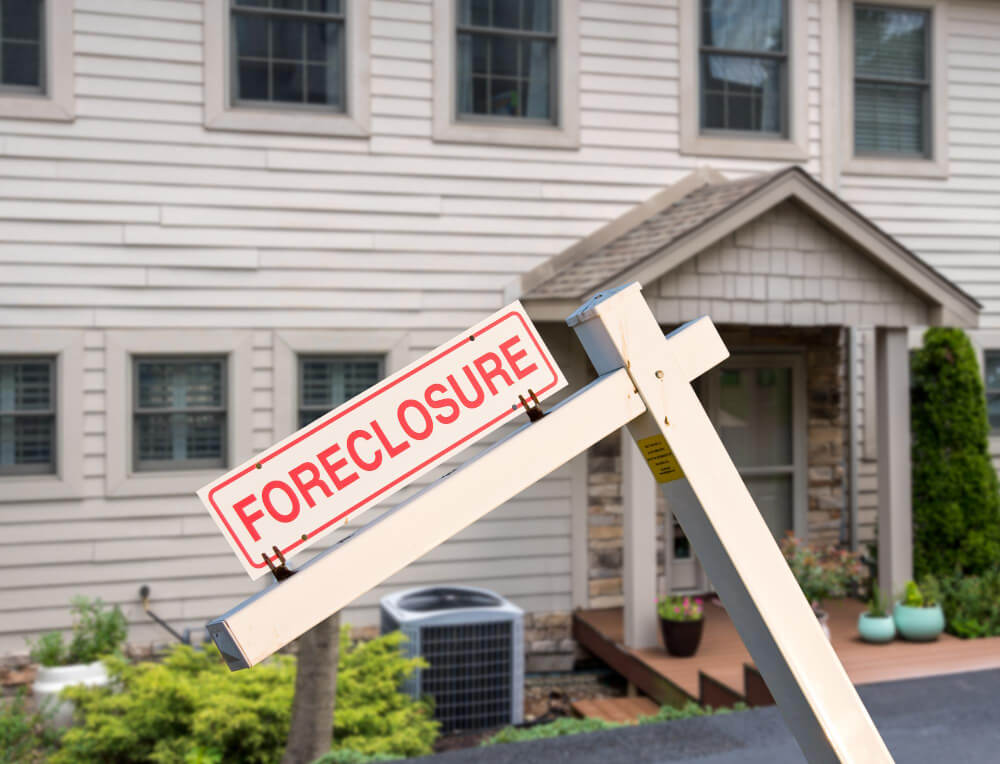
Distressed properties, however, add unique concerns because there is a tendency that no one wants to talk.
The owner who is about to lose their property may not be motivated to help the new landlord. Uncertain tenants who have a dark cloud over their heads may also be unwilling to engage in a discussion.
As if reverse cash for keys, the new owner can pay the previous owner to fork over documentation and a forensic history of tenancies in the building if they are unwilling to do so.
In the eventuality that there is a purchase of a tenant-occupied property, the new owner has to alert the tenants that there is change in ownership or management. Do not fret - we have the form prepared.
Parting thoughts
The sale of tenant-occupied properties is perilous and many novices make mistakes. For example, a real estate agent promises they can sell a property vacant without any just cause to evict. Buyers who attempt to scoop up an investment property only to find out that the rents cannot be raised.
Before making the huge investment of purchasing tenant-occupied property, consult a landlord attorney who understands this space.