


The Votes Are In. The Verdict Is Mixed.
Bay Area voters rejected expanded rent control in Redwood City while approving new restrictions in Berkeley and San Pablo. We examine the implications for rental property owners, including rent increases, tenant protections, and compliance obligations.
DOWNLOADS
Practical guides and quick-reference materials to help California landlords navigate rental housing laws, compliance requirements, and common legal challenges.
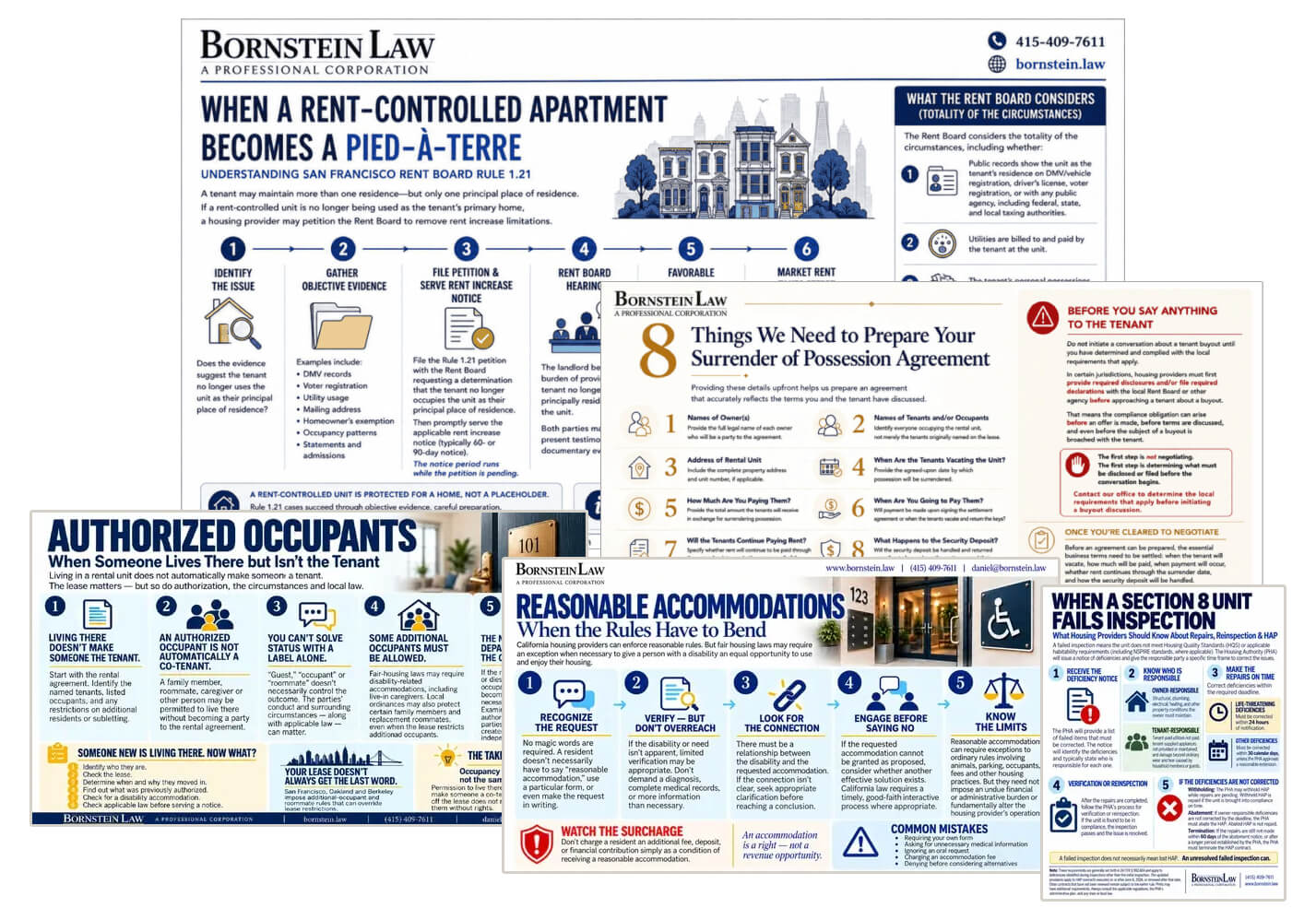

San Francisco Tenant Buyouts Are Making a Comeback
Tenant buyout agreements are on the rise in San Francisco. Explore the growing prevalence of negotiated vacancies and what the numbers reveal about the city's rental housing market.

Leveraged Tenant Buyout Discussions
A successful buyout negotiation isn't necessarily about offering more money. Understanding what motivates a tenant to leave, including their circumstances and priorities, can lead to more productive discussions and mutually agreeable outcomes.


The Art of the Long Game: Why the Maximum Rent Increase Is Not Always the Winning Move
As AB 1482 exemptions begin to expire, California landlords face a difficult choice: maximize today's rent or preserve tomorrow's tenancy.

Rent control today extends far beyond rent increases, affecting everything from evictions to everyday property management.

Airbnb Guest or Squatter? When Short-Term Rentals Turn Into Long-Term Headaches
A short-term guest can become a long-term legal problem faster than many hosts realize.

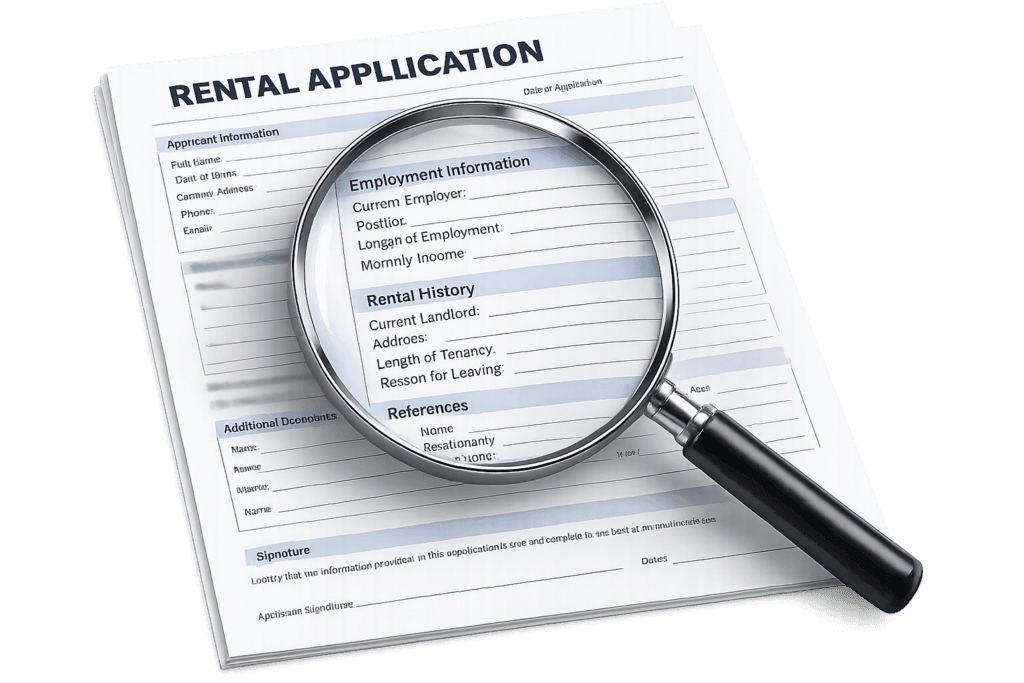
Tenant Screening: Where a Successful Tenancy Begins
One of the most consequential decisions a housing provider makes often happens before the tenant ever moves in: who to rent to. Thoughtful, consistent and legally compliant screening can prevent problems that are far more difficult—and expensive—to solve after a tenancy begins.
Explore our guidance on the rules, risks and practical considerations that should inform that decision.

Pods, Co-Living, and the Law: Navigating the Risks of Hybrid Housing Configurations
Pod housing and co-living may help address California's housing shortage, but they also present legal issues that are easy to overlook.

Parking wars raging throughout the Bay Area
Parking is scarce throughout the Bay Area—and disputes between landlords and tenants are often close behind.

When ICE Comes Knocking: What Landlords Should Know
An encounter with immigration officials can raise difficult legal questions for both housing providers and residents.


The San Francisco Rent Board forms you use may be a dinosaur
In San Francisco, using the wrong Rent Board form can sometimes derail an otherwise valid landlord action. As regulations evolve, relying on outdated notices and forms can create avoidable—and costly—mistakes. The smallest detail can have the biggest consequences.

SF landlords can petition the Rent Board to increase the base rent, but they should recognize that this is a long and tedious process. Success often depends as much on thorough preparation and documentation as it does on the merits of the request.
When "short-term" isn't really short-term
Intermediate-length occupancies occupy an awkward middle ground between traditional leases and vacation rentals—and San Francisco regulates them accordingly. What seems like a simple six-month lease can trigger a very different set of legal rules. Understanding where the law draws the line is essential.
Clutter becomes a legal issue long before it becomes a fire
Hoarding is more than a housekeeping problem. It can create fire hazards, habitability issues, fair housing considerations, and potential liability for housing providers who fail to act. Recognizing the warning signs early can help prevent a difficult situation from becoming a dangerous one.

Not every difficult tenant is a nuisance, but every nuisance starts somewhere
Learn where the law draws the line between ordinary lease violations and conduct that may justify legal action. Not every disturbance rises to the level of a legal nuisance, but repeated misconduct often changes the analysis. Successful nuisance claims are built on documented patterns—not isolated frustrations.
The most expensive mistake is often waiting too long
Small problems rarely stay small in rental housing. Whether it's unpaid rent, lease violations, unauthorized occupants, or nuisance complaints, delaying action can limit your options and increase the cost of resolving the issue. Knowing when to act is just as important as knowing how.
When a missing package becomes your problem
Package theft is frustrating for everyone, but a housing provider's legal responsibility isn't always clear. Learn where liability begins, what practical steps can reduce risk, and how thoughtful property management can help protect both residents and owners.


When Trump and Newsom Agree: Wall Street Is the Target
Political opposites have found common ground in blaming large institutional investors for making homeownership harder to attain. Both are calling for greater scrutiny of Wall Street-backed landlords, though what those restrictions will ultimately look like remains unsettled.
Politics, Free Speech and the Landlord-Tenant Relationship
After a San Francisco landlord limited an open house to people sharing certain political views, the controversy raised a larger question: Even when conduct may be legal, how will it play in a politically charged housing environment?
When Childcare Policy Reaches the Landlord's Door
California's childcare shortage has prompted policies making it easier to operate daycare facilities in rental homes—another example of lawmakers looking to housing providers to help address broader social needs.
Tenant Unions Bring Collective Bargaining to the Rental Property
Bay Area lawmakers have increasingly empowered tenants to organize, meet collectively, and require landlords to engage with their associations. For housing providers, that means navigating a new political dynamic while knowing where cooperation ends and unreasonable demands begin.
Tenant Advocates Walk Away from the Table
An Alameda County effort to find common ground on tenant protections quickly unraveled when some tenant advocates walked out rather than negotiate. Landlord groups remained at the table, underscoring the difficulty of reaching compromise when political demands overshadow dialogue.