From Empty Kitchen to Full Compliance: California’s New Appliance Requirement for Landlords

Audit every rental unit to verify the presence and condition of stoves and refrigerators. Plan accordingly to avoid disputes and ensure compliance with a new law that amends Civil Code §§ 1941.1(a)(10) & (11).
Under longstanding state law, all rental units must be maintained in a safe, sanitary, and habitable condition. They need not be pristine, but certain basic necessities must be provided. AB 628 adds a safe, working refrigerator and stove to the list of features that determine whether a unit is legally tenantable.
Many landlords might shrug and say, “So what?”—believing they already provide these appliances. If this sounds like you, read on. There may be new statutory obligations you’re not aware of.
For one, specific updated language must be added to all new, renewed, or amended leases beginning January 1, 2026. Don’t fret—Bornstein Law has the requisite compliance clause ready to include.
Secondly, rental housing providers should prepare a replacement budget, because appliances inevitably break down. Under the new law, tenants gain additional rights to request the replacement of a defective refrigerator. We expect many disputes to arise over whether:
-
(A) the tenant’s neglect or misuse caused the refrigerator to fail, or
-
(B) the appliance simply reached the end of its useful life.
In some cases, tenants may bring their own refrigerator to the rental unit and wish to keep using it. This might seem like a cost savings for the landlord—but think again. Under AB 628, a tenant who initially provides their own refrigerator can later change their mind and request that the landlord furnish one. Once such a request is made, the landlord has 30 days to deliver the appliance.
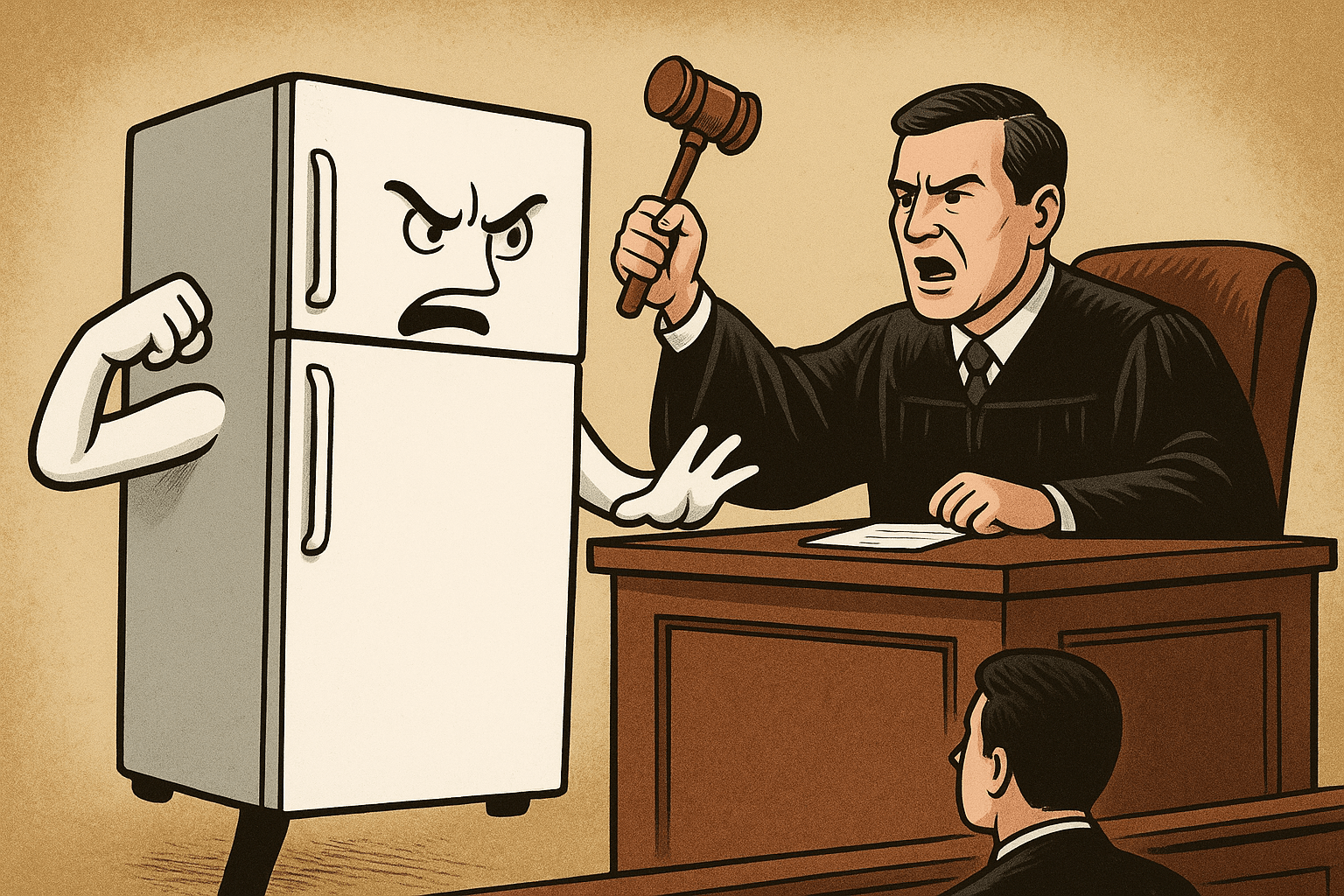
AB 628 virtually guarantees that disputes over refrigerators will arise, but we urge housing providers to respond strategically. When conflicts occur, you can spend thousands in attorneys’ fees—or a few hundred dollars on a new fridge.
Our strong preference is to resolve disputes quickly and cost-effectively, always weighing time, risk, and legal expenses.
If a refrigerator is malfunctioning due to a tenant’s damage or neglect, the landlord may repair or replace it and then deduct the cost from the security deposit or seek reimbursement from the tenant. However, landlords should always consider the economics of the dispute—sometimes, it’s more practical to concede to an unreasonable demand than to litigate.
Another Administrative Burden: Appliance Recalls
As an added layer of responsibility, landlords must now track appliance recalls.
It may surprise you to learn that hundreds of thousands of refrigerators from various models and brands are recalled each year for reasons ranging from fire hazards to laceration or tip-over risks. For landlords managing multiple units, the likelihood that one of their appliances is subject to recall is far from trivial.
The best practice is to document the size, color, model number, and serial number of each refrigerator you provide, and to periodically check the Consumer Product Safety Commission’s (CPSC) website for any applicable recalls. If one of your refrigerators appears on the recall list, it must be repaired or replaced within 30 days of receiving the notice.
Are you in the enviable position of having a vacancy?
Wonderful, because we know that typically, rents can be raised to your heart's desire. Now may be a good time to upgrade the unit to command a higher price if the economics make sense. At the bare minimum, however, it's prudent to do an inspection of appliances and ensure they are safe and in good working order. If there is a refrigerator that is not functioning or on its last leg, it is an opportune time to replace it.