
California landlords face rising habitability risks in 2026: What you need to know

In every era, Bornstein Law has admonished housing providers to maintain their rental units in liveable condition. California’s habitability standards have always been strict, but 2026 marks a turning point. Between new legislation, escalating code enforcement activity, and a phalanx of enterprising tenants’ attorneys, landlords must be extra vigilant in the New Year.
We’ve all heard of hell holes where residents are forced to live with rat infestations, sewage leaks, and no heat or hot water. These types of egregious cases are often plastered on the front page of the news, with owners being sued for seven figures.
Yet even small oversights can trigger significant legal and financial consequences. We want you to avoid them.
A broader definition of “habitable” housing
For decades, habitability has focused on core essentials. A unit need not be pristine, but a landlord is required to keep it safe and fit to live in. California Civil Code, § 1941.1. spells this out in greater clarity. Housing providers must provide:
-
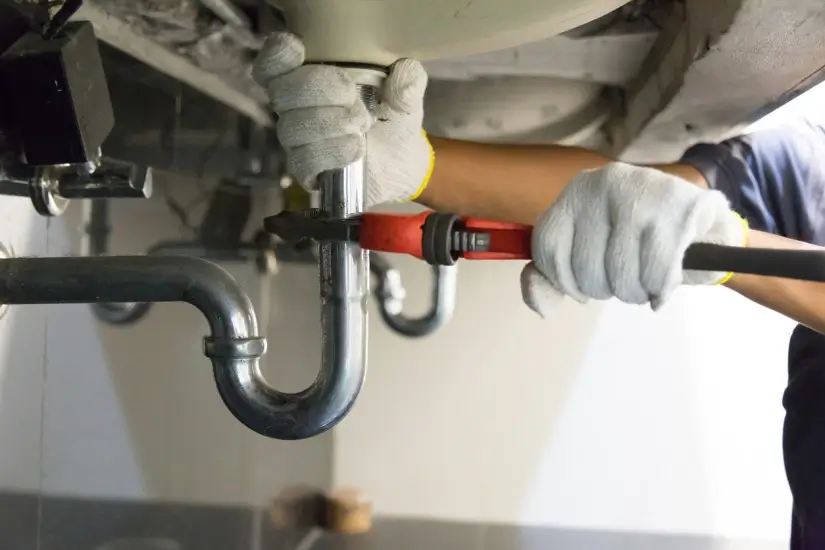
Working plumbing, including hot and cold water and sewage disposal.
-
Safe and working electrical equipment and wiring, including lighting.
-
Heating.
-
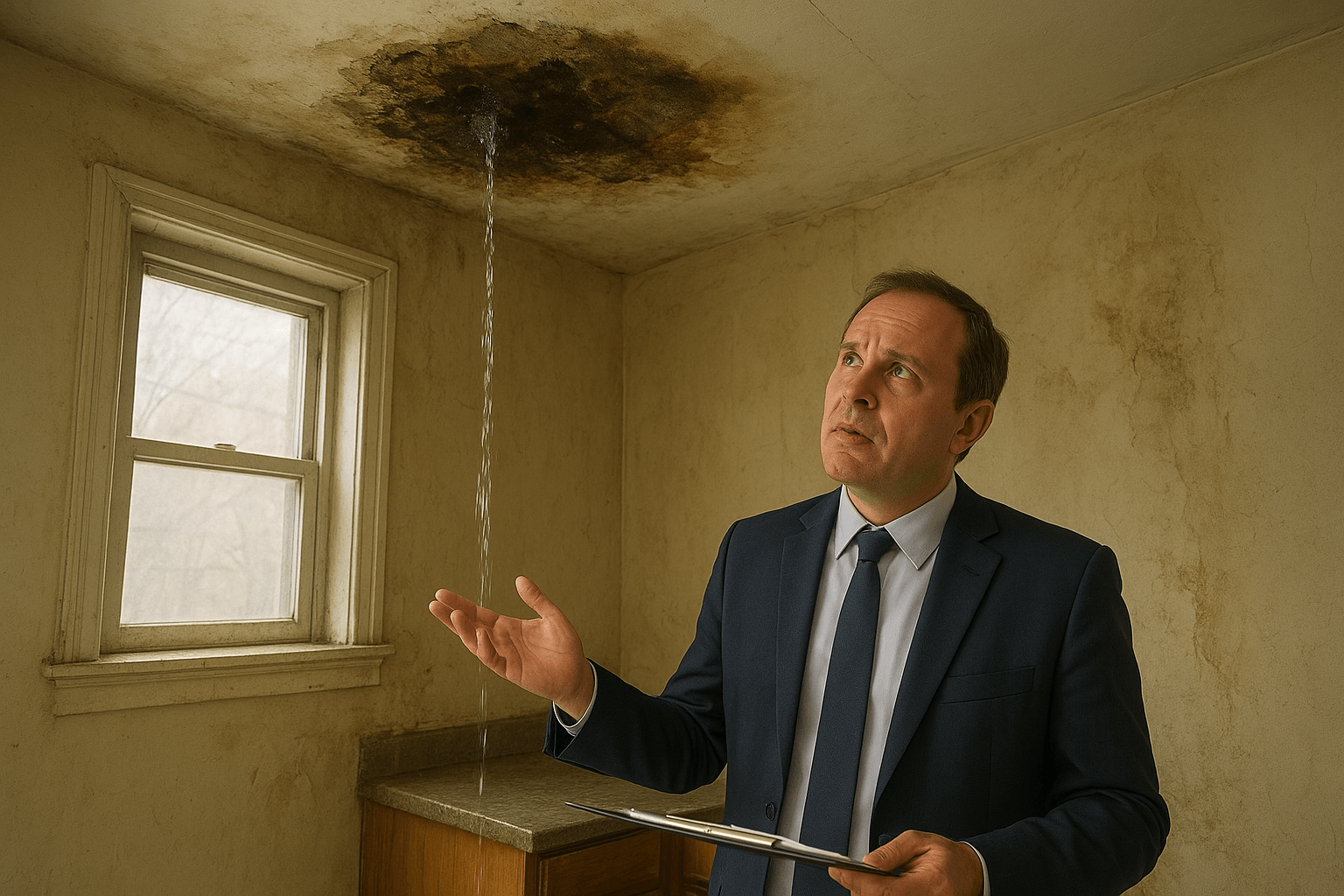
Walls and roofs that keep out rain and wind.
-
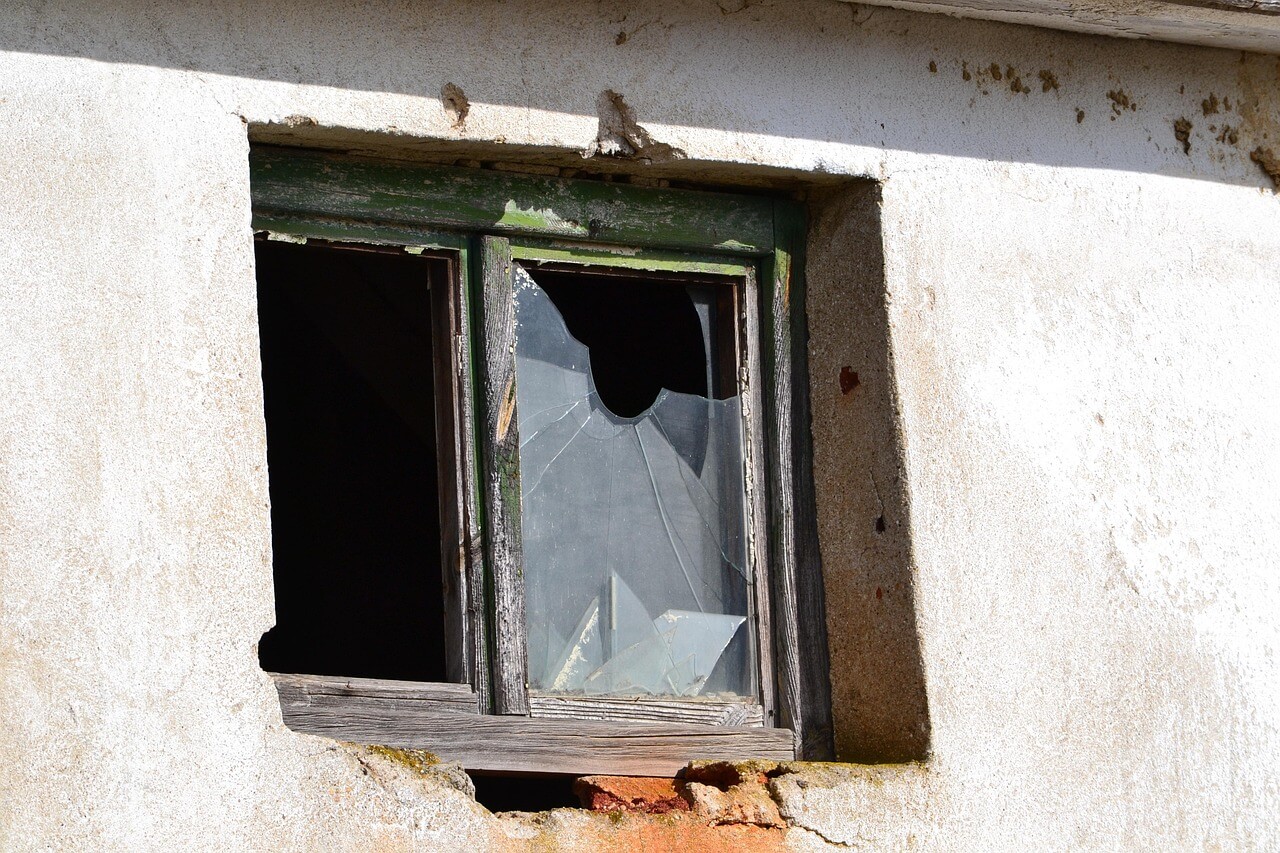
Unbroken windows and doors, with working locks.
-
Working smoke detectors and carbon monoxide detectors.
-
Safe fire or emergency exits. o Adequate pest control for rodents (like rats) and insects (like roaches and bed bugs).
-
Adequate sanitation, including enough trash cans, and clean common areas.
-
Floors, stairways, and railings are in good repair.
-
Repairs to prevent and fix health hazards, such as fire hazards, visible mold, or dampness.
As a sidebar, we wouldn’t be shocked if the definition of habitability is expanded further to include air conditioning. On August 12, 2025, the Los Angeles County Board of Supervisors passed a new indoor air temperature mandate requiring all rental housing providers to maintain 82 degrees Fahrenheit or cooler. There was also proposed statewide legislation that would require local governments to update their hazard mitigation plans to address extreme heat by January 1, 2028, potentially imposing costly retrofitting mandates on older buildings, which are often unequipped to support modern HVAC systems. Although we are following the movement to cool down rental units, there is nothing concrete to report at this time – stay tuned.
At any rate, tenants have strong remedies when they successfully claim uninhabitable conditions. They may argue that they are entitled to:
-
Withhold rent.
-
Repair and deduct costs.
-
Break the lease.
-
Call code enforcement to pry into alleged violations.
-
Claim that the landlord’s actions are retaliatory.
-
Sue for damages, penalties, and attorneys’ fees.
Rising enforcement
Cities and counties have become increasingly aggressive in pursuing habitability violations, targeting everything from mold and pests to aging electrical wiring and unhealthy living conditions. Expect to see more saber-rattling and lawsuits by the likes of San Francisco City Attorney David Chiu and other officials who want to make an example of landlords who fail to provide livable accommodations.
Bornstein Law has been deeply concerned about “tenant-anti-harassment” laws that have sprouted up in the Bay Area. Under existing laws that have long been on the books, it was already illegal to shut off utilities, fail to perform repairs, abuse the right of access, etc. The only purpose of these anti-harassment ordinances is to provide stiffer penalties for housing providers for even innocuous mistakes. Let’s say a landlord calls over a plumber to fix a leak, and the contractor shows up to the job late. Conceivably, the landlord can face colossal financial liability, including triple damages for offenses.
Building inspectors are an inquisitive bunch. Take, for example, yet another new law that requires owners of certain buildings to have balconies and other Exterior Elevated Elements (EES). When a tenant complains about an unrelated matter – say, water intrusion – the knowledgeable inspector, aware of the looming balcony inspection deadline, will find issues with balconies, decks, stairways, landings, and walkways.
Suffice it to say that we do not want building inspectors snooping around. The question is, how do we not attract them in the first place, and how to protect ourselves against claims of inhabitability? Now that we know what the problem is, let’s focus on solutions and provide some actionable advice.
Respond to repair requests promptly, whether the repair is necessary or not.
This should be evident, but many owners wait too long. If they are going to have to pay for a contractor anyway, why wait a week or two and not pick up the phone the same day the necessary repair is needed? Let’s put an asterisk on the term necessary.
Many times, a repair request is unnecessary. For example, cosmetic improvements like painting a room a different color or installing a new light fixture. In other cases, the work may not require the work of a skilled tradesperson, like putting sliding doors back on track, resetting a circuit breaker, etc.
Whether a requested repair is necessary or not is always a judgment call, but the main point we want to impart is this:

Housing providers should always acknowledge the repair request and state in writing the action taken, or the reason why no action was taken. Include the date the request was received and the resolution of the matter.

This messaging can be simple and need not require attorney assistance. “Ms. Bogdan, thank you for bringing to my attention that the heater wasn’t working. After receiving your request on 12/27/2025, I dispatched Michael Smith from ABC Heating the following day. He determined that the culprit was a broken Thermocouple and replaced it, restoring the heat.”
Conversely, if a tenant makes an unreasonable request, at least acknowledge the request and state the reason for denial, in writing.
Where it gets more complicated is when a habitability issue is caused solely by tenant damage or neglect.
As we pointed out in our guide to handling hoarding conditions, maintaining the unit in a safe, sanitary, and secure condition is a dual responsibility of both housing providers and tenants. Not uncommonly, the tenant’s own actions – or failure to act – creates habitability issues. Examples:
-
Overflowing trash attracts rodents.
-
Poor housekeeping leads to roaches.
-
Damage from improper use of appliances.
-
Failing to report leaks promptly.
-
Pet urine saturation and other pet-related damage.
-
Flushing items other than toilet paper down the toilet can cause clogs and backups.
-
Any damage that occurs to the property or its fixtures as a result of the tenant's guests.
-
Disabling or removing safety features like smoke detectors or carbon monoxide detectors.
-
Excessive mold from failing to ventilate
Depending on the severity of the issue, housing providers have several options to proceed.
Notify the tenant in writing: Communication should be firm and factual. A warning letter may be appropriate for first-time or minor issues.
3-day notice to cure or quit: This legal notice requires a tenant to fix a lease violation within three days or move out. Think of failing to maintain cleanliness or remove trash, allowing unsafe conditions, or blocking access for inspection or repairs. The landlord must provide details of specific violations as a preliminary step in the eviction process.
3-day notice to quit: This is a formal notice that requires a tenant to move out within three days for specific, non-curable lease violations. This “nuclear option” provides no opportunity to fix the problem. This should be reserved for egregious cases like willful destruction of property, unsafe or unsanitary conditions impacting health and safety that the tenant refuses to fix, and repeated violations that go uncorrected after warnings.
Make repairs and bill the tenant: In situations where the tenant fails to act, housing providers can perform necessary repairs to restore habitability and charge the tenant for the reasonable cost of repair. To effectuate the repairs, the tenant should be given at least 24 hours’ written notice to enter, stating the date, approximate time within the confines of normal business hours, and the specific purpose of entry. If this option is used, landlords can deduct from the security deposit.
We need to be careful about demanding charges and potentially pursue the tenant for damages in court after move-out. We do not want the optics that collecting repair costs constitutes “self-help” eviction measures or an illegal, unreasonable fee. In essence, the three-pronged process to keep the landlord compliant and protected is to:
-
Repair the issue.
-
Document the tenant's fault.
-
Recover costs through legal channels.
Even when the tenant is at fault, housing providers cannot simply step back and let the issue linger.
Assuming the tenant is at fault, the landlord’s core responsibility to protect the health and safety of members in the rental community remains intact. California’s warranty is non-waivable, meaning the landlord must fix habitability defects regardless of who caused them.
Certainly, we have recourse to bill the tenant, deduct from the security deposit, evict the tenant, or pursue damages, but in certain circumstances, housing providers cannot delay or refuse repairs. A handful of examples:
-
Remove mold, restore ventilation, and fix resulting damage.
-
Repair drywall, flooring, and restore structural integrity.
-
Cure safety hazards like faulty wiring, pest infestations, broken windows or doors, loose railings, a lack of essential services like heat or hot water, etc.
-
Fix plumbing issues and address sewage backups.
-
Ensure safe electrical conditions.
-
Reinstall or repair alarms.

Essentially, the landlords must fix anything that makes the rental unit unfit or unsafe for human habitation. We can assign blame and get reimbursement, or explore theories for eviction later.
Having practiced landlord-tenant law for three decades, Bornstein Law has a good “gut feel” on how serious a tenant’s conduct is and how to proceed accordingly. Our office can differentiate between minor issues and habitability defects that require an urgent response.
If a formal 3-day notice is in order, housing providers are strongly advised to hire an attorney to prepare it. Even the slightest of procedural errors can invalidate the notice and delay or prevent eviction, even if the tenant is clearly at fault. Bornstein Law can ensure the notice includes all legally required information, is served correctly, and avoids potential pitfalls, ultimately saving time and money on a flawed eviction process.
Require that requests for repairs be in writing to create a documented record for clarity, tracking, and legal protection.
This provides proof of the repair request and the landlord’s response, preventing disputes over what was said or when it was reported. A written request, whether via email, text, or an online portal, creates a formal record of the problem, when it was reported, and any subsequent communications.
Unfortunately, some unscrupulous tenants know the law and claim habitability issues without reporting them to the landlord or property manager, simply so that they can justify nonpayment of rent or worse, commence a lawsuit. Suppose housing providers encounter these types of tenants who want to game the system. In that case, the counternarrative we want to provide is that the tenant was required to alert the landlord to known issues and that the tenant had every opportunity to report problems.
Keep in mind, however, that the landlord must make necessary repairs, regardless of whether there is a requirement that repair requests be communicated in writing. We can’t use this requirement as a “get out of jail” card when habitability issues go unaddressed.
Do tenants obstruct access to the unit to effectuate necessary repairs?
With certain exceptions, like in the event of an emergency, California landlords must give tenants at least 24 hours’ written notice before entering the property. The entry must occur during normal business hours, typically 8 a.m. to 5:00 p.m. Monday-Friday. One valid reason for entry includes repairs. The notice must include the date, approximate time, and purpose of entry. The notice can be personally given to the tenant, left at the usual entry, or left with a person of suitable age and discretion at the premises.
Not uncommonly, however, housing providers engage in a cat-and-mouse game with tenants who will go through elaborate means to avoid having their landlord or a contractor come into the unit. Whether it is unauthorized occupants or subletting, alterations, damage, or a meth lab, these elusive tenants do not want prying eyes to see the condition of the unit.
Housing providers who have had their patience taxed need to recognize that a tenant’s failure to allow landlords or their agents into the unit to make necessary or agreed repairs is universally a “just cause” for eviction. Landlords can periodically check up on plumbing leaks, electrical systems, smoke detectors, and the like, but importantly, these visits/inspections cannot come across as harassment or retaliation.
Regular, documented inspections catch small problems before they become habitability claims, but we need to be judicious in the frequency and stated purpose of the visit, balancing tenant privacy against the landlord’s interest in being the “eyes and ears” of their property.
After proper notice was served with a permissible purpose to enter, landlords or their agents should follow carefully choreographed steps.
-
Regardless of the tenant’s response, arrive at the unit at the appropriate time. The tenant does not have to be present.
-
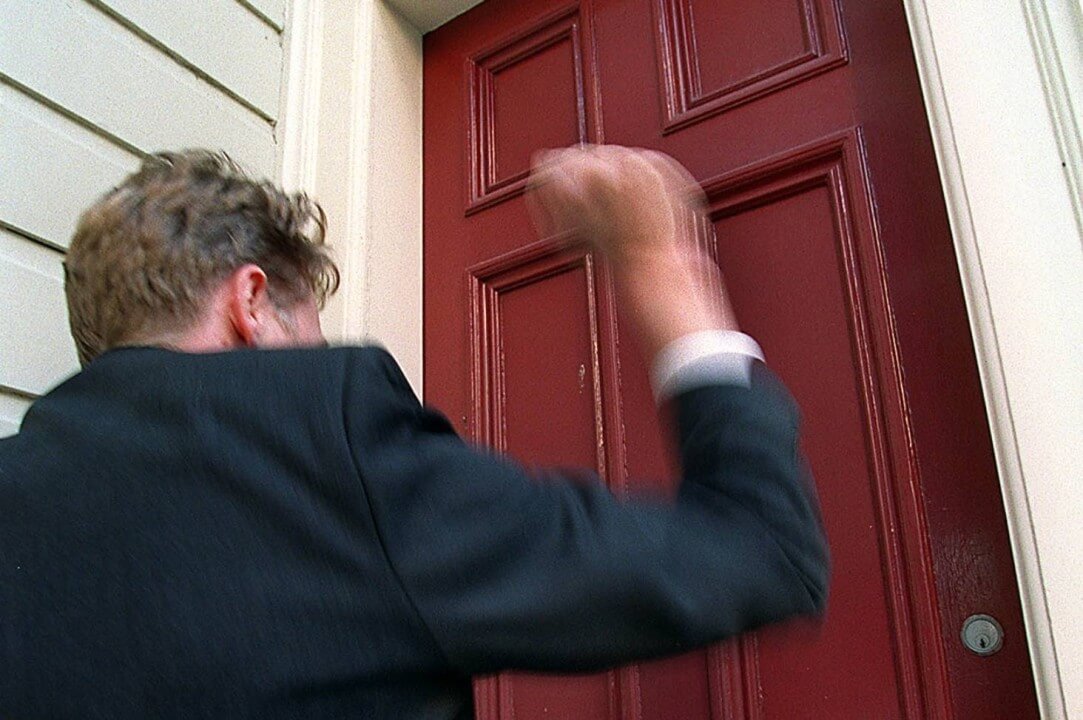
Knock on the door, and if the tenant grants access, perfect. Proceed into the unit.
-
If the tenant is not present, the landlord can enter with their key. If the landlord does not have a key, they can use the services of a locksmith to gain entry. Do not change the locks – merely access the unit.
-
If the tenant opens the door and refuses access, do not get vocal or risk a physical altercation. It may be prudent to call the police with the stated reason of keeping the peace. Photos and videos are helpful to establish that the recalcitrant tenant is refusing
-
When the police respond, be sure to note the name and badge numbers so that we have appropriate documentation to articulate an eviction case.