Pets, Policies and Property Rights: California Takes Another Look at Rental Housing
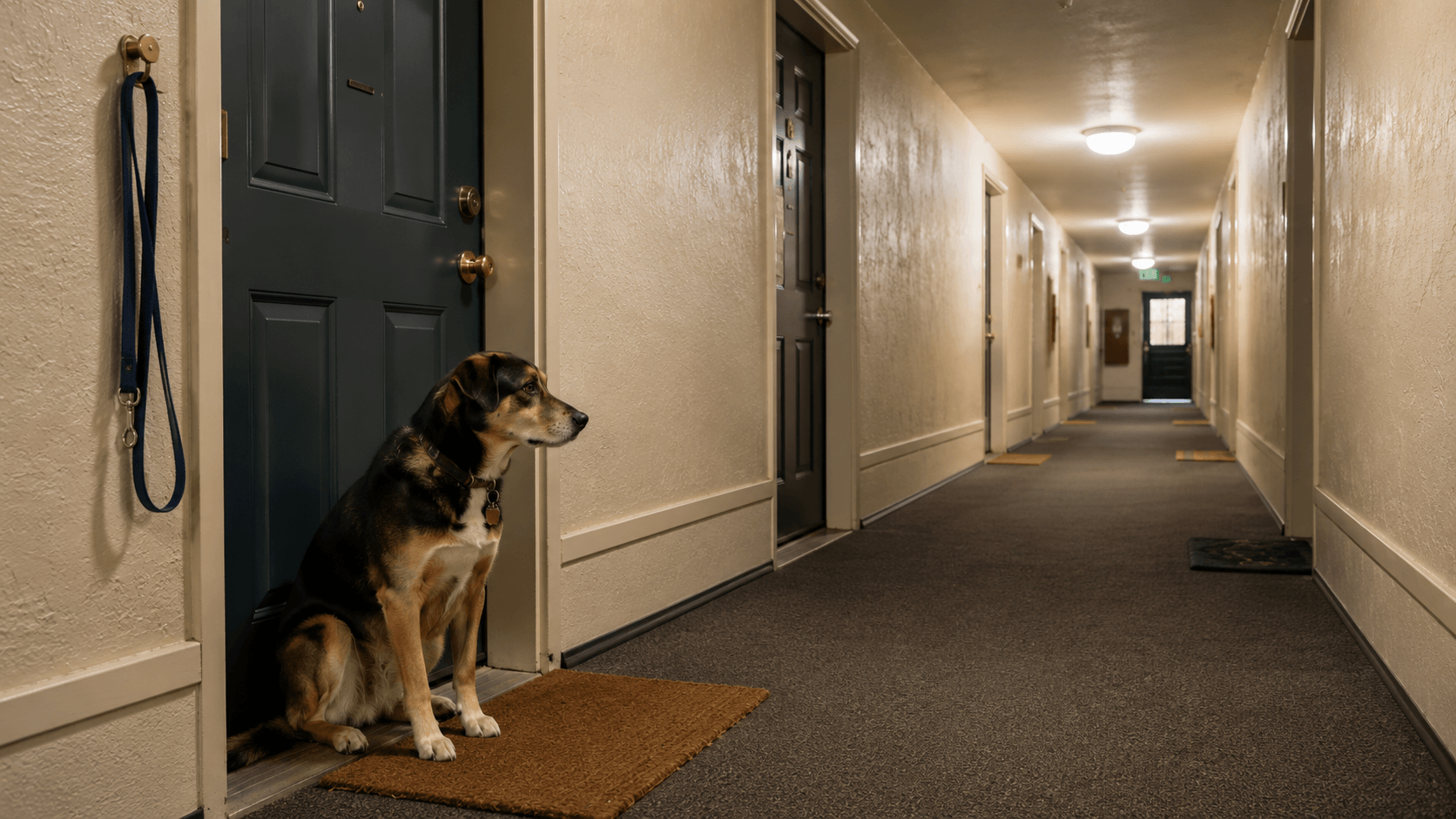
SB 1296 gives California housing providers another reason to take a closer look at their pet policies.
It has been a while since we have talked about pets in rental housing. With California lawmakers considering new requirements for how housing providers disclose their pet policies, this seems like an ideal time to revisit the subject.
We should begin with a disclosure of our own: At Bornstein Law, we love pets. We also respect the right of rental property owners to establish reasonable pet policies, protect their investments, and make informed decisions about the animals they are willing to accommodate.
Those sentiments are not mutually exclusive. Plenty of housing providers welcome pets. Others impose restrictions. Some prefer not to allow them at all. Whatever an owner's preference, animals introduce practical considerations involving property damage, insurance, noise, common areas, deposits, liability and regulatory compliance.
Sacramento has now given us another reason to talk about them.
"Loving pets and respecting property rights are not competing propositions."
SB 1296 Puts Pet Policies in the Spotlight
Senate Bill 1296, authored by Senator María Elena Durazo, would establish new disclosure requirements for California housing providers who allow pets.
Under the current version of the bill, a landlord who permits pets would be required to maintain a written pet policy and provide electronic access to it on the property's website, if one exists, and in specified digital advertising. Third-party advertising platforms and rental search engines are addressed to the extent they permit or support a hyperlink or other electronic access to the policy.
Applicants would also receive a written copy or summary of the property's pet policy or pet addendum with the rental application. The policy must provide a clear, plain-language description of the rights, responsibilities and material requirements applicable to tenant pet owners.
There is also an application-fee consequence for getting the disclosure wrong. If a landlord collects a screening fee without providing the required pet-policy information and, because of that omission, the applicant becomes ineligible or decides not to proceed, the landlord would have to refund the application fee within five business days after receiving written notice.
Importantly, SB 1296 does not require housing providers to accept pets. The bill preserves an owner's authority, consistent with other applicable laws, to adopt and enforce pet policies and to restrict pets based on lease terms, health and safety concerns, property conditions, insurance requirements and business reasons.
If enacted in its current form, the requirements would become operative April 1, 2027. As of this writing, however, SB 1296 is not law. It remains part of the legislative process, and its language could still change.
One Provision Has Caught the Industry's Attention
Interestingly, the rental housing industry's concern during a recent legislative hearing was not primarily with upfront disclosure.
A representative of the Southern California Rental Housing Association told lawmakers that the association was generally comfortable with the bill after amendments but objected to one provision: a tenant's failure to sign a pet addendum cannot, by itself, form the basis of an unlawful detainer action.
The association raised a practical scenario. What happens when an existing tenant brings an unauthorized pet onto the property and then refuses to sign the pet addendum establishing the rules under which that animal would be permitted?
Lawmakers debated whether existing remedies for the underlying lease violation adequately address the problem. Senator Durazo indicated a willingness to continue discussing the issue, emphasizing that she did not want the legislation to become more than a disclosure measure.
It is a relatively small provision in a larger bill, but one housing providers should watch as SB 1296 continues through Sacramento.
A Pet Policy Shouldn't Be an Afterthought
Regardless of what happens to SB 1296, a clear written pet policy is simply good property management.
Owners should know what animals they permit, what lawful restrictions and deposits apply, how animals may use common areas, and how problems involving noise, waste, property damage or aggressive behavior will be addressed.
Insurance deserves attention as well. An owner's personal willingness to accept an animal does not necessarily answer questions raised by an insurance carrier or policy.
Then there is the classic unauthorized-pet problem: the lease says no pets, but a four-legged occupant quietly appears anyway. Owners should resist allowing these situations to linger indefinitely. Determine what is actually happening, review the rental agreement, determine whether a reasonable accommodation is being requested, and address the issue appropriately.
That brings us to an important distinction.

Sometimes a Pet Isn't a Pet
Service animals and other assistance animals implicate federal and state fair-housing laws and cannot simply be treated like ordinary household pets. At the same time, we have been encouraged by California's efforts to address the proliferation of questionable emotional-support-animal documentation obtained through the internet.
California's AB 468 imposed requirements on health care practitioners providing documentation concerning an individual's need for an emotional support dog. Among other things, a practitioner generally must establish a client-provider relationship for at least 30 days before providing the documentation and complete a clinical evaluation.
The legislation also addressed businesses selling certificates, identification cards, vests and similar products that can leave consumers with the mistaken impression that purchasing these items somehow transforms a pet into a legally recognized service animal.
Those reforms did not eliminate legitimate accommodation rights. Housing providers must continue to take legitimate disability-related requests seriously. But there is an equally important point on the other side of the equation:
"A reasonable accommodation does not mean an unreasonable tenancy."
Assistance-animal status does not give a resident license to allow a dog to bark throughout the day and night, threaten neighbors, create unsanitary conditions, damage the property or substantially interfere with other residents.
When problems arise, owners should focus on the conduct. Document the barking. Document the damage. Document the threatening behavior or unsanitary conditions. Don't turn a legitimate nuisance issue into an unnecessary—and potentially risky—argument over whether a resident "really" has a disability.
Meanwhile, Another Pet Debate Is Brewing
California isn't the only place reconsidering the relationship between pets, renters and housing providers. Seattle recently moved to eliminate monthly pet rent as part of a broader effort to prohibit what city leaders characterize as rental "junk fees."
Rental housing economist Jay Parsons has raised an interesting counterargument: eliminating pet rent could produce unintended consequences for the very renters such policies are intended to help.
An Ideal Time to Review Your Pet Policy
SB 1296 may change before the legislative process is finished, and it may or may not ultimately become law. But its progress through Sacramento serves as a useful reminder that pet policies should not be an afterthought.
Housing providers who welcome pets should have clear, consistent and thoughtfully drafted policies. Those who don't should understand the important exceptions created by fair-housing laws. And when an animal creates genuine problems at a property, owners should address the behavior rather than allow it to continue unchecked.
At Bornstein Law, loving pets and respecting property rights are not competing propositions. Housing providers should understand their obligations, protect their investments and retain as much freedom as the law allows to make informed decisions about what makes sense for their rental properties.