
Landlords constrained when tenants pay no rent at all
There are a confluence of factors when communicating with cash-strapped tenants and making a strategic decision when it comes to rents, payment plans, and potential rent waivers during states of emergency. We provide a 360-degree view in this two-part series inspired by our recent webinar dedicated to landlording on the other side of COVID.
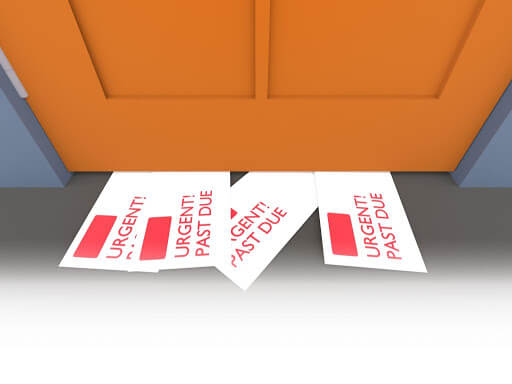
Throughout the public health crisis, there has been a lot of concern and talk about nonpaying tenants and comparatively little information about good tenants who are worth their weight in gold. The San Francisco Apartment Association recently queried landlords and reports that 97% of tenants are paying all or some of the rent. We don’t know how scientific this poll is, but we have anecdotal evidence of our own that by and large, landlords and tenants are working together to get over this hump.
Before we talk about managing the relationships with the majority of tenants who are paying rent in whole or part, here we will touch on the unfortunate situation of a totally nonperforming unit where there is no rental income at all, either because the tenant is unemployed and has no means to pay, or the rare circumstance of tenants refusing to pay because he or she is emboldened by the eviction moratorium.
Limited options
For those tenants who are not paying any rent, Bornstein Law has few resources at this point. Never in our 25+ years of practicing landlord-tenant law has our firm been so hamstrung with the courts essentially closed. We can still take action in circumstances like arson, narcotics activity in rental units, domestic violence, threats of violence, and other egregious health and safety issues that pose an imminent threat to residents in the building.
As for less severe offenses like non-payment of rent, subletting, unauthorized pets in the dwelling, and other breaches of the lease, we have nary a solution except to effectuate a vacancy through a tenant surrender of possession agreement, also known as a tenant buyout agreement. Under this arrangement, the landlord dangles money, a rent waiver, or both, in exchange for the tenant voluntarily vacating the premises.
Is a tenant buyout more attractive today?
Bornstein Law crafts proper and enforcement buyout arrangements on a regular basis. This vehicle may become even more attractive during the pandemic, and the reasons should be apparent. Although eviction moratoriums have prohibited the removal of a tenant for nonpayment of rent, there is no edict in any emergency order that prohibits two private parties from entering into a buyout agreement.
A tenant buyout agreement is one of the last remaining options the landlord has at his or her disposal to transition the tenant out of the unit. Moreover, tenants who have been furloughed from their jobs or who have otherwise experienced financial hardship would seem to be more motivated during these tough times to accept the buyout to get much-needed cash to sustain life and move to greener pastures.
We provide more information on tenant surrender of possession agreements in this whimsical video.