
A Bay Area Rental Listing Sparks Debate Over a "Work-From-Home Fee"
As remote work becomes part of everyday life, one landlord's pricing policy raises broader questions about residential occupancy, utility costs, and whether working from home can justify additional rent.
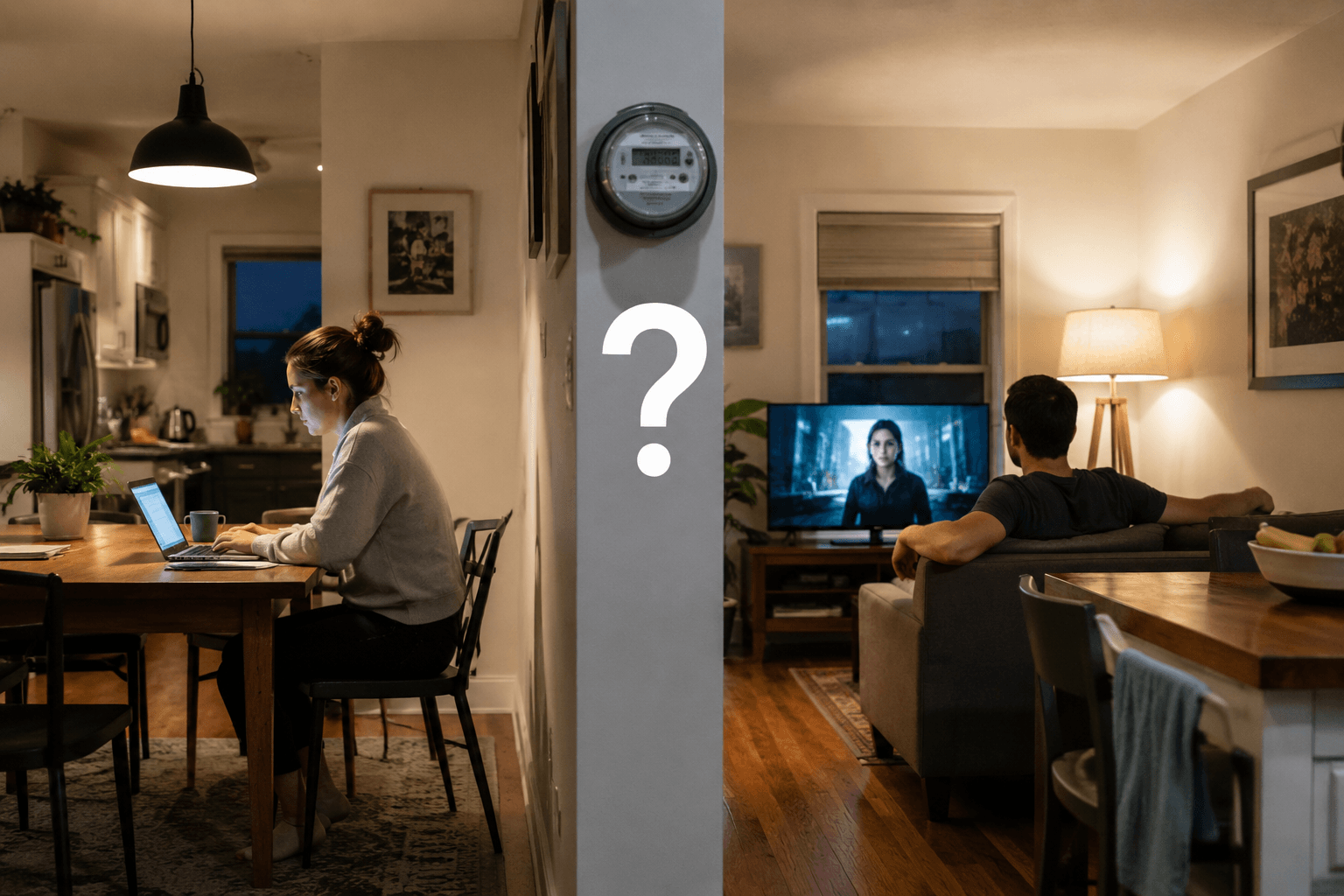
A Bay Area rental listing recently ignited a spirited online debate—not because of its location or amenities, but because of a single sentence buried in the advertisement.
The listing offered a furnished one-bedroom accessory dwelling unit (ADU) in Walnut Creek for $3,250 per month, with utilities and Wi-Fi included. It also contained an unusual condition: tenants who worked from home would be charged an additional $200 per month.
The listing quickly went viral. Critics labeled the surcharge a "junk fee" and questioned why tenants should pay more simply because they performed their jobs from home. Others defended the owner, noting that a resident who occupies the unit throughout the day is likely to consume more electricity, heating and air conditioning, water, and internet service than someone who leaves for an office each morning.
Regardless of where one falls in that debate, the listing raises an interesting legal question. Can a landlord charge a premium simply because a tenant chooses to spend more time in the rental unit?

A tenant rents a home—not a schedule. Working from home is simply one way of exercising the right to occupy the premises.
~ Daniel Bornstein
A Tenant Rents More Than a Place to Sleep
When a tenant rents a home, the tenant generally acquires the right to occupy the premises around the clock. The lease typically does not distinguish between a tenant who spends the day sleeping, reading a book, watching television, caring for children, recovering from an illness, or working remotely from a laptop.
Simply put, tenants generally do not need permission to be home. Working from home is not a special privilege. It is simply one way many people choose to use the residence they lawfully rent.
Viewed through that lens, charging an additional monthly fee because someone works from home may be viewed as charging extra for a right already embedded within the landlord-tenant relationship—the right to occupy and enjoy the premises.
The Owner's Concern Is Real
That does not mean the landlord's concern is misplaced.
A tenant who spends more time at home will often consume more electricity, water, heating or air conditioning, and internet service than someone who leaves the property each morning. With utility costs continuing to rise, it is understandable that housing providers look for ways to recover those additional operating expenses.
The difficulty is that a work-from-home surcharge quickly raises practical questions.
Does the fee apply to someone who works remotely one day each week? A retiree? A stay-at-home parent? A student taking online classes? Someone answering work emails after dinner?
Once a landlord begins charging different amounts based upon how tenants spend their time inside the home, the policy can become difficult to define and administer consistently.
Focus on Utility Usage—Not Lifestyle
If the concern is increased utility consumption, the more practical solution is to address the utilities themselves rather than the tenant's daily routine.
Where feasible, separately metered utilities remain the most straightforward approach because each occupant pays for his or her own actual consumption. When separate utility meters are not practical, sub-metering may provide another means of measuring individual usage, depending upon the property's configuration and applicable legal requirements.
Both approaches focus on what actually matters—how much utility service is consumed—rather than attempting to distinguish between tenants based upon whether they work from home, watch television all day, or simply enjoy spending more time in the residence.
The Bigger Picture
The Walnut Creek listing may ultimately be remembered as little more than a viral news story.
But it illustrates a broader point. Remote work has changed how many people use their homes, yet it has not changed the basic nature of a residential tenancy. A tenant rents the right to occupy the premises, and working from home is often nothing more than one way of exercising that right.
As technology, housing practices, and tenant expectations continue to evolve, housing providers will undoubtedly encounter new business ideas that challenge traditional leasing practices. Before implementing policies that depart from the norm, owners should carefully consider not only whether those ideas make business sense, but also whether they fit comfortably within California's landlord-tenant laws.
Bornstein Law remains committed to helping California housing providers understand not only what the law says today, but also how emerging trends may shape tomorrow's rental housing landscape. Through timely articles, educational webinars, and practical legal guidance, we strive to help owners make informed decisions before legal issues become legal disputes.