


I will proactively stave off habitability issues and promptly respond to complaints when they arise
We probably don’t need to tell you that housing providers throughout California operate their rental business in a legal environment that is very friendly and protective of tenants. At the center of this framework is the implied warranty of habitability – a legal duty that requires rental properties to be safe, sanitary, and fit for human occupancy at all times.
Ignoring habitability issues doesn’t just create unhappy tenants. It exposes landlords to rent withholding, lawsuits, code enforcement actions, and failed evictions. A rental unit need not be in pristine condition, but it must meet basic health and safety codes.
What is “habitability” anyway?
At a minimum, and as required by the relevant California Civil Code sections, the premises must have adequate:
(i) waterproofing / weather protection;
(ii) plumbing;
(iii) hot and cold running water;
(iv) heating;
(v) electrical lighting;
(vi) receptacles for garbage and rubbish;
(vii) floors, stairways, and railings in good repair;
(viii) locks on doors and windows; and
(ix) telephone jacks and wiring; and
(x) effective January 1, 2026, a working stove and refrigerator
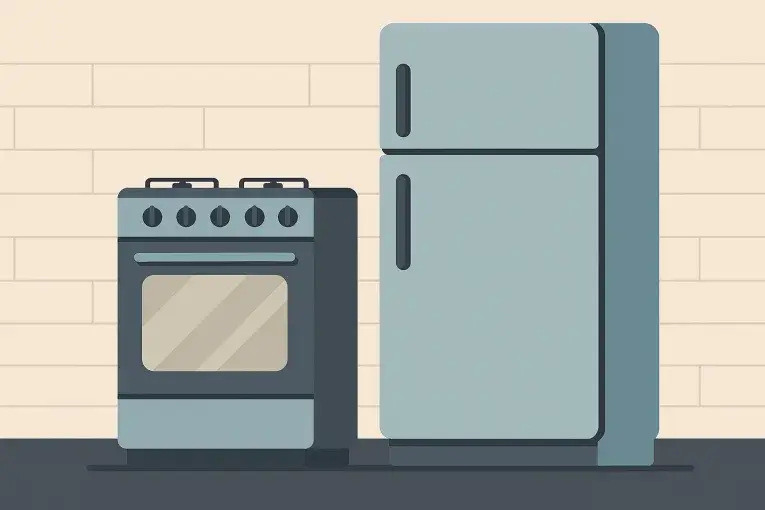
Let’s put an asterisk on the last one. For leases signed, renewed, or amended on or after January 1, 2026, a stove and refrigerator will no longer be considered an amenity. Instead, these appliances are a must-have to meet the minimal standards of tentability. Many landlords are under the false belief that this new law (AB 628) doesn’t affect them because they routinely provide refrigerators for tenants anyway.
In fact, there are several statutory obligations under the law, and this begins with the documentation required to notify tenants of their rights. For a more thorough discussion of the new requirement to furnish stoves and refrigerators, read our earlier article devoted to this subject.
The havoc that habitability issues can wreak on housing providers
As California strengthens tenant protections and local enforcement increases, habitability violations are drawing closer scrutiny. Courts are less forgiving, penalties are higher, and tenants are more aware of their rights. Keep in mind that there is a phalanx of tenants’ attorneys who work on a contingency fee who are all too willing to sue landlords. With litigation surrounding habitability becoming such a lucrative law practice, we need to be extra vigilant about maintaining rental units in livable condition.
Consequences to avoid:
-
Aggrieved tenants can justify withholding rent by claiming inhabitable conditions.
-
Tenants can use repair-and-deduct when issues are fixed on their own.
-
Inhabitable conditions can be used as a defense to eviction.
-
Tenants can sue for six-figure damages and attorneys’ fees.
-
Tenants are apt to call code enforcement, even when the landlord does not know that a habitability issue existed because it was not reported to them.
-
Municipalities are inclined to level substantial financial penalties against offenders, and these penalties are ratcheted up even higher if the property is in a local jurisdiction with an “anti-harassment” ordinance.
-
Insurance companies are loath to cover properties with habitability issues, especially when there are concerns around the building’s roof and electrical system.
These potential consequences are scary, but fortunately, proactive landlords and property managers can avoid them.